AI for Human Needs
Shifting the AI conversation from cool demos to solving everyday human problems.
Today’s Features:
Outro: neuroscience-based taper plans.
Lifesum, Yuka, Waterllama, and Finch: daily self care apps focused on nutrition, water intake, and more.
Propel: AI-powered SNAP management.
Starlight: connecting users to government benefits programs to improve their financial health.
Turning the Page On Health & Wellness
(GLPs can be great, but how do you slow a moving train?)
For the past decade, consumer health has been defined by more: more supplements, more prescriptions, more protocols, more monthly shipments of things promising to fix you.
But there’s a new conversation happening among founders, doctors, operators, and frankly, tired patients: how do you get off medications? Maybe not cold turkey, not in a panic, and certainly not alone. Just thoughtfully and safely.
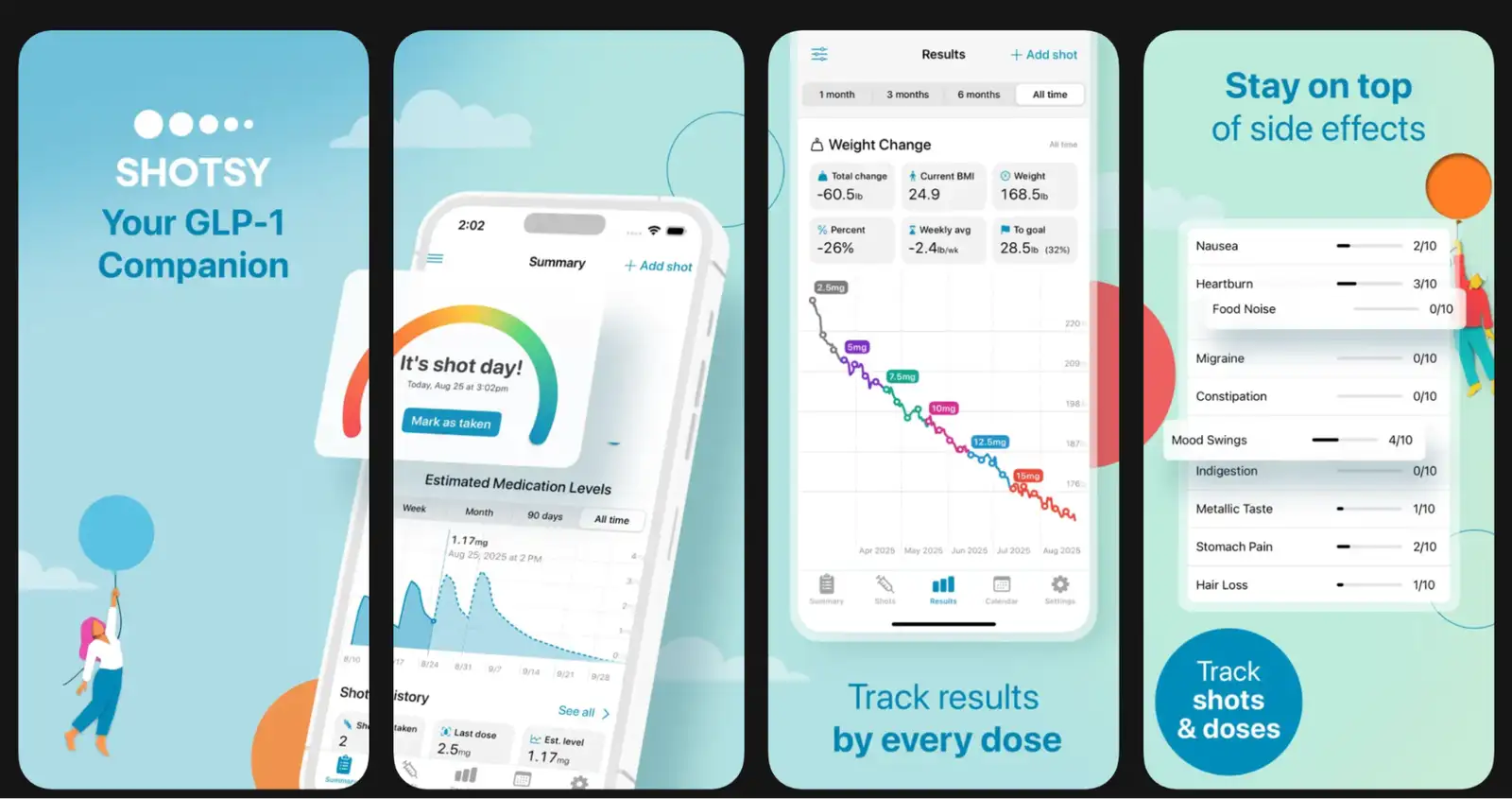
By 2030, GLP-1 weight-loss drugs are expected to hit $150B+ globally. And here’s the part no one wants to talk about: when people reach their goal weight, a large subset will want to stop but won’t know how. Platforms like Shotsy and MeAgain are trying to help people navigate GLP-1 medications with confidence.
At the same time, research has found that the odds of experiencing withdrawal effects from antidepressants were 10x greater for long term users.
What we have here is a health system optimized for starting meds, not leaving them. We see two vectors of opportunity:
Tapering: Millions are going on meds. At some point, many will want off. Few have a map.
Precision Dosing: Less blunt instrument, more surgical scalpel.
Imagine a platform that blends AI, clinical oversight, and precision-manufactured micro-doses to help people gradually reduce their reliance on GLP-1 agonists, antidepressants, and other long-term meds. Companies like Outro are already starting to piece bits of this together in the world of antidepressants.
And on the topic of ‘cleaner, more empowered’ living, apps like Lifesum, Yuka, Waterllama, and Finch are all powering healthier daily lifestyle habits. Cute companions are an added perk.
This could be a countercultural shift from “optimize me” to “liberate me.” We’ll chat more on this topic in the coming features.
The Public Perception Problem
(Maybe we start by revisiting the bottom rungs of Maslow’s hierarchy of needs)
While generative AI often garners headlines for generating talking squirrels or luxury travel videos, this doesn't change the growing public skepticism toward AI's effects.
For real public perception to shift, the industry must focus on applying AI to solve real human needs.
A great example is Propel, an app that helps households manage their Supplemental Nutrition Assistance Program (SNAP) benefits.
Propel Is Perennially Ranked in the Top 100 Within the U.S. App Store’s ‘Finance’ Category
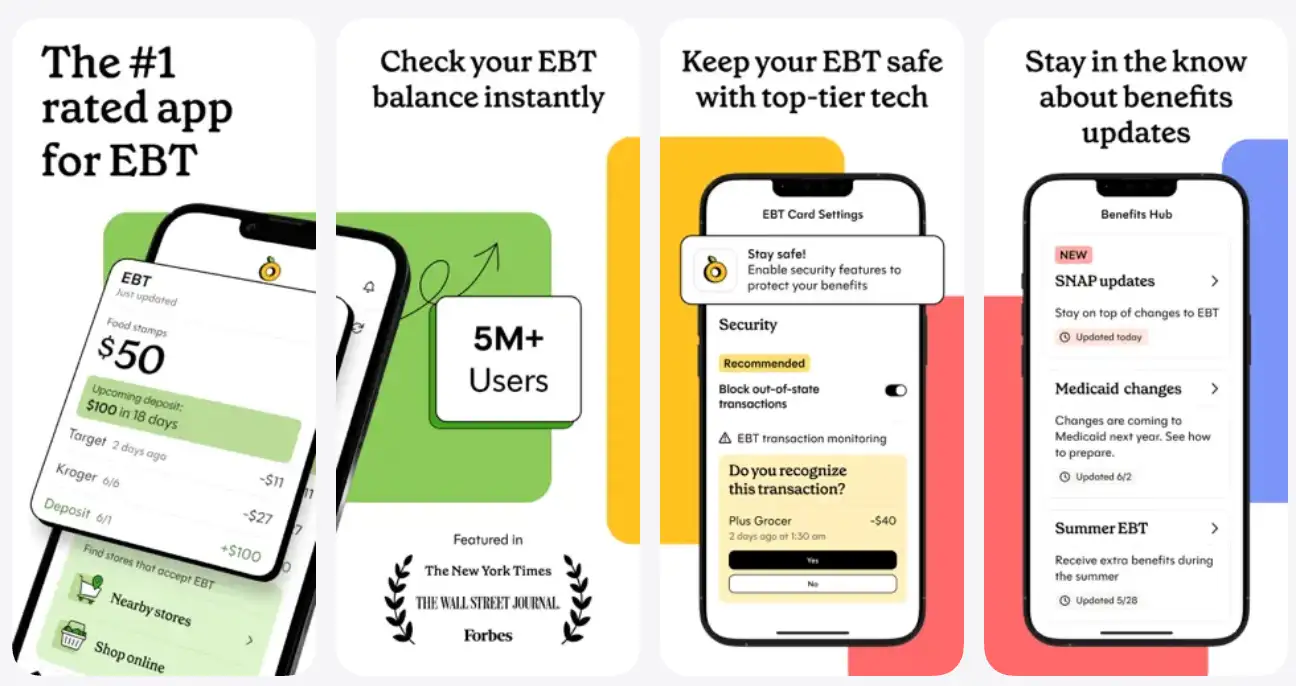
Propel is using AI to strengthen support functions, such as helping users navigate complex SNAP purchase restrictions. Other companies like Starlight are connecting low-income citizens to unclaimed government assistance, leveraging AI to provide more personalized guidance. By highlighting such practical, impactful use cases, companies can build public trust and demonstrate the essential value of AI beyond entertainment or work productivity. We suspect that some opportunities will start narrow and expand in scope over time - far beyond finances, or even initial demographics. We would love to hear from founders using the latest technologies to tackle other basic human needs.
Today’s article is brought to you by your friendly, neighborhood consumer team at GV. Down to kick the tires on any of the above? Hit us up at consumer@gv.com.