The End of Uniform Computing
As multimodal AI replaces app-based navigation, we are entering an era of personalized, couture computing.
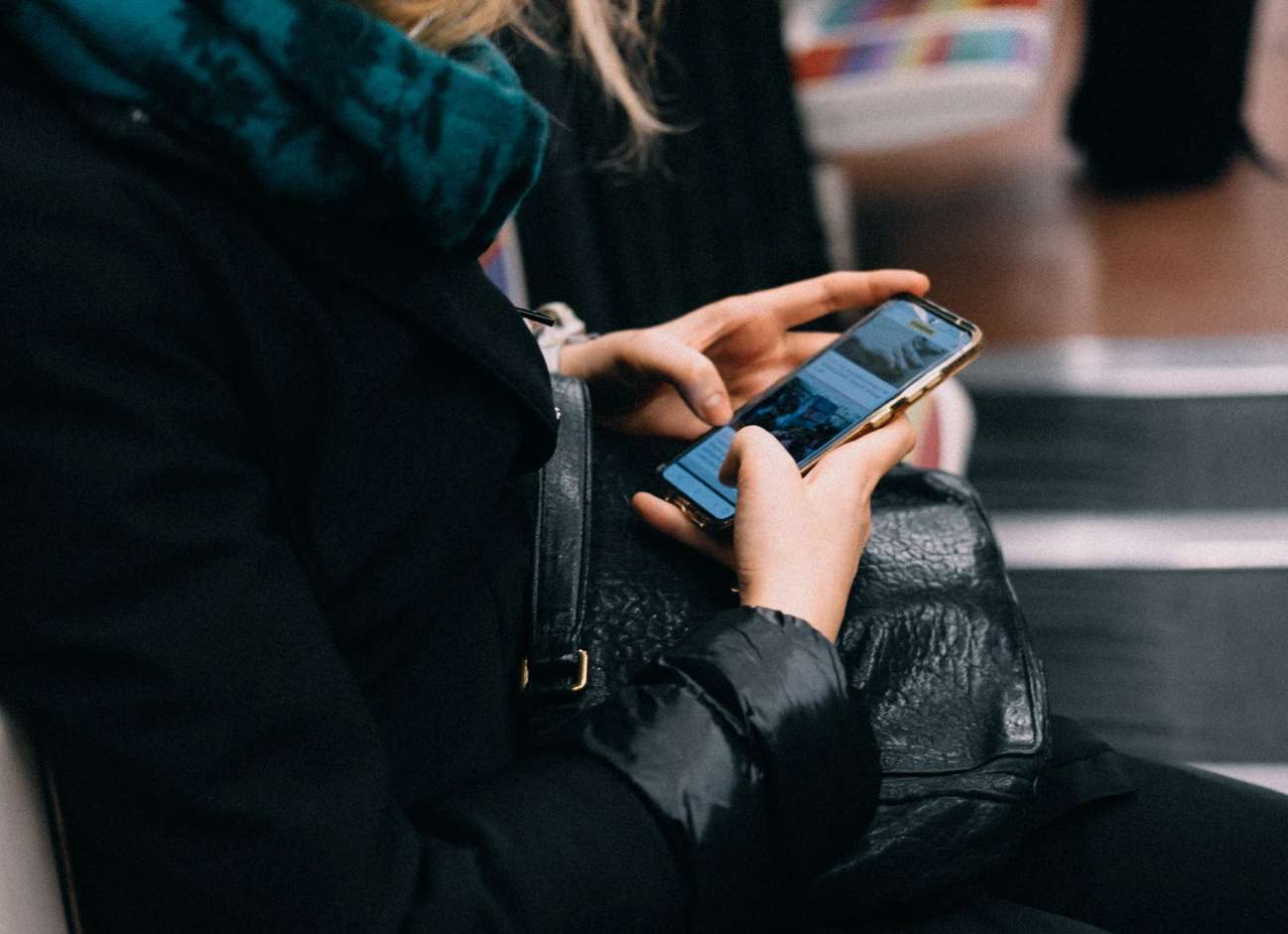
For the first time in the history of personal computing, nearly everyone carries the same computer. Walk through an airport, coffee shop, or subway platform and you’ll see an ocean of nearly identical black rectangles. Some are a little larger, some fold, some have three camera lenses instead of two. But for the most part, the world’s computing experience has converged into a single object.
The iPhone didn’t just invent a better phone. It invented a better way to interact with software: capacitive touchscreens, software keyboard (RIP Blackberry), and an ecosystem of downloadable apps turned a single sheet of glass into a camera, GPS, television, gaming console, wallet, notebook, and an ostensible remote control for modern life.
And the app became the universal abstraction for software. And because every service had to live somewhere, everything moved to the phone. And as a result, we were taught that personal computing should happen in one place.
The Smartphone Was An Aggregation Event
The history of computing has largely been a story of aggregation. The desktop collapsed dozens of specialized machines into a single computer (the laptop untethered it from the desk). The smartphone collapsed nearly every consumer electronic device into a prism in our pockets: navigation, music, photography, boarding passes, thermometers, flashlights, etc were absorbed into software.
The smartphone, as a form factor, won because it was the most capable container for computation. But over time, our lives molded around the device rather than the need state. Regardless of the exercise (e.g. cooking dinner, playing video games, sitting in a meeting, etc), the workflow was the same and mediated through the exact same object: unlock phone → find app → open app → navigate interface → complete task.
AI Changes The Interface
LLMs represent a bigger shift than simply making software smarter; they change how software is accessed. For decades, software required us to learn its interface: programming languages, menus, buttons, tabs, settings. Every application asked users to adapt to its mental model.
Natural language flips that relationship, so instead of learning software, software learns us. Instead of navigating an application, we can simply describe what we’re trying to accomplish. If software can reliably understand intent, our apps are no longer destinations and no longer necessary. Whether through voice (see the latest from GPT-Live), vision, gesture, or whatever comes next, multimodal intelligence is becoming accessible through intent instead of navigation. This is a much bigger shift than replacing search boxes with chat windows.
The interface can disappear, and so too does the requirement that every experience lives inside the same piece of hardware.
The Unbundling of the Smartphone
We mentioned earlier that smartphones were the best available container for software. But what happens when intelligence becomes portable, or when intelligence can live inside almost anything.
We’ve seen early inroads with toys. And glasses could become a household staple soon. But what if your running shoes became your coach, guitar your instructor. Your kitchen can develop recipes instead of displaying them. Jewelry can remember relationships or help with your emotions (see Anoria). These aren’t phones hiding inside everyday objects. They’re objects whose primary interface is no longer a screen.
The operating system of the future could become portable. Instead of managing hardware, they may simply inhabit it. The same intelligence will move fluidly between glasses, speakers, toys, clothing, furniture, cars, appliances, and devices we have yet to imagine.
Couture Computing
For the first time since the smartphone, personal computing may become genuinely personal again. Today, billions of people carry nearly identical computers, differentiated mostly by case color and screen size. Tomorrow, our computers may look nothing alike. Instead of choosing between iPhone and Android, we may choose between designers, brands, creators, and philosophies.
Technology becomes less about owning a device and more about curating an environment. We can call this couture computing – not because every object becomes expensive or bespoke, but because computing begins to fit the individual rather than forcing the individual to fit the computer.
Closing Thoughts
The smartphone was a wrapper around computation. Now that intelligence itself is becoming portable, the wrapper no longer has to be the phone. It can be anything.
Huge thanks to Elizabeth Dorman for the inspiration, and for her work in bringing the above to life with Era.